Research a faceless YouTube channel around proof, not anonymity
Plan a faceless channel with original demonstrations, credible sourcing, and a sustainable visual format that serves a real audience.
The quick answer
A faceless channel still needs a clear audience, an original contribution, and convincing evidence. Choose a format where the subject, demonstration, or story provides the visual interest, then research demand and production feasibility before relying on automation.
In this guide
Choose what carries the video
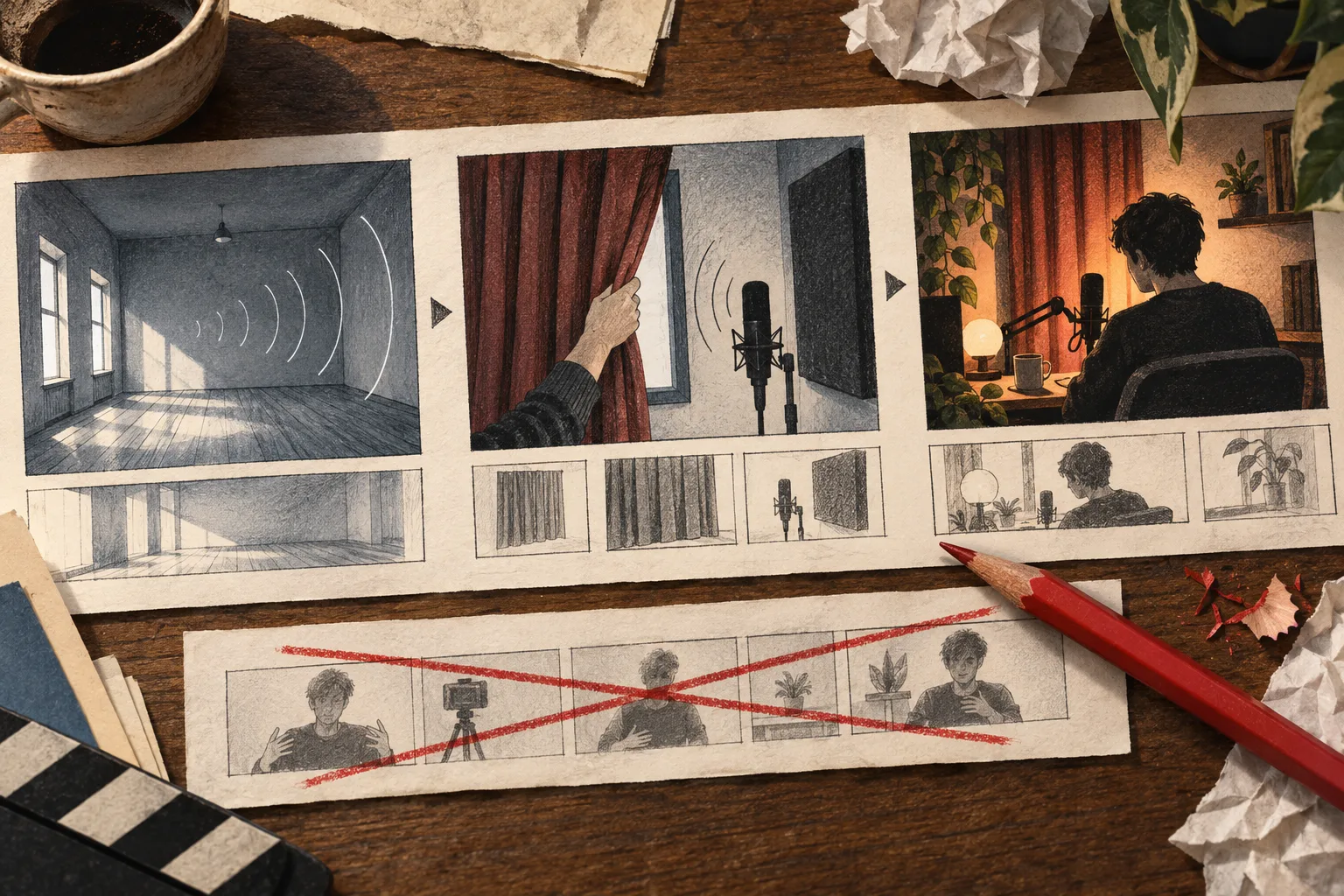
Removing an on-camera presenter does not remove the need for trust or attention. Something else must carry the experience: a screen demonstration, an experiment, a narrated explanation, original footage, a visual essay, or a documented process.
Begin with a viewer outcome and choose the visual format that best proves it. A spreadsheet tutorial can rely on a clear screen recording. A repair guide needs close-up footage of the actual work. A historical explanation needs careful sourcing and visuals that accurately support the narrative.
Research the production model
Study relevant channels for how they deliver value, not simply whether a face appears. Note where the footage comes from, how the explanation is structured, and which parts require original work.
A channel built around access to rare archival material may not be a practical model for a beginner. A simple-looking animated explanation can hide substantial research and design effort. Estimate those requirements before choosing the niche.
Build an originality plan
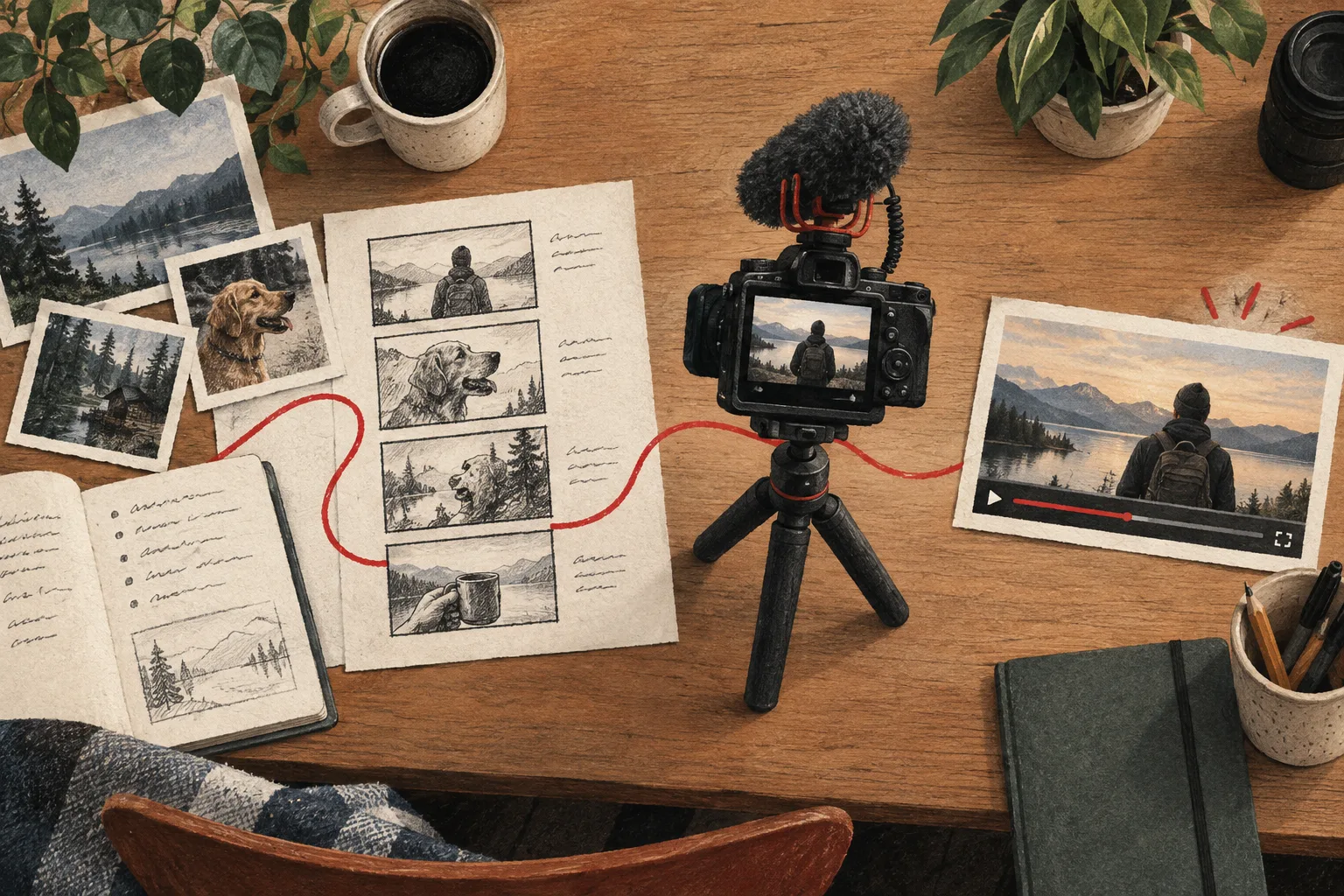
For each proposed video, specify what you will contribute. Possibilities include your own test, a clearly documented workflow, an original explanation, or a carefully argued interpretation of sourced material.
Avoid a production plan that consists only of rewriting existing videos and covering the result with generic stock footage. Even when individual assets are licensed, the finished video still needs a reason to exist for the viewer.
If monetization or reused-content rules affect your plans, consult the current YouTube monetization policies directly. A research tool or AI generator cannot certify a channel's eligibility.
Test one complete minute
Before promising yourself a weekly schedule, produce a representative minute of finished work. Include research, script, visuals, narration, editing, and source review. Time the full process, not only the final export.
For a software tutorial, that minute might demonstrate a real task with an intentional mistake and its correction. For a process video, it might show the step where beginners usually get stuck. The test exposes whether your format can explain the subject clearly without an on-camera guide.
Use a practical brief
- Viewer: the person with the problem, not “everyone interested in the niche.”
- Outcome: what they can understand or do afterward.
- Evidence: your demonstration, sources, or documented experience.
- Visual plan: what the viewer sees during each major explanation.
- Rights: which assets you created or have permission to use.
- Production limit: time and cost you can repeat.
- Distinction: what existing videos fail to explain well.
Keep the brief beside your references so a polished edit does not obscure a weak premise.
Let tools support the original work
Vidfora can help you research relevant outliers, organize references, and develop titles and scripts. Its value is strongest when those tools help you make decisions about your own contribution.
Use AI for drafting, restructuring, or generating options you can verify. Keep responsibility for factual accuracy, visual relevance, and the promised outcome. The viewer may never see your face, but they will experience the quality of your judgment in every minute of the video.
Common questions
Are faceless channels easier to make?
Some formats reduce filming requirements, but they can add research, narration, design, and editing work. Test a representative segment before assuming the production process will be faster.
Can AI run a faceless channel for me?
AI can assist with parts of the workflow. You still need to choose worthwhile topics, verify claims, create or license appropriate visuals, and ensure the finished video provides original value.
Published by Vidfora, the product discussed in these guides. Examples are illustrative unless a source is named. Editorial approach · Suggest a correction