Shorts get views but long videos do not: should you split your channel?
Separate a format mismatch from an audience mismatch before starting a second channel. Includes a cooking-channel example and a practical comparison worksheet.

The quick answer
Shorts subscribers are not a guaranteed audience for long videos. First check whether both formats serve the same person and promise. Test related subjects before splitting the channel; a new channel creates more production work and does not solve an unclear long-form offer.
In this guide
A creator in this September 2026 Reddit discussion described Shorts reaching thousands of views while longer uploads struggled to get watched. The useful question is what those viewers came for—not whether a subscriber count ought to produce a matching view count.
YouTube's recommendation guidance says trying different formats does not inherently confuse its recommendation system or penalize a channel. It also explains that a person's interest in a subject may differ by format. That leaves an editorial problem to solve: give someone a reason to want the longer experience.
Compare the promise, not just the subject
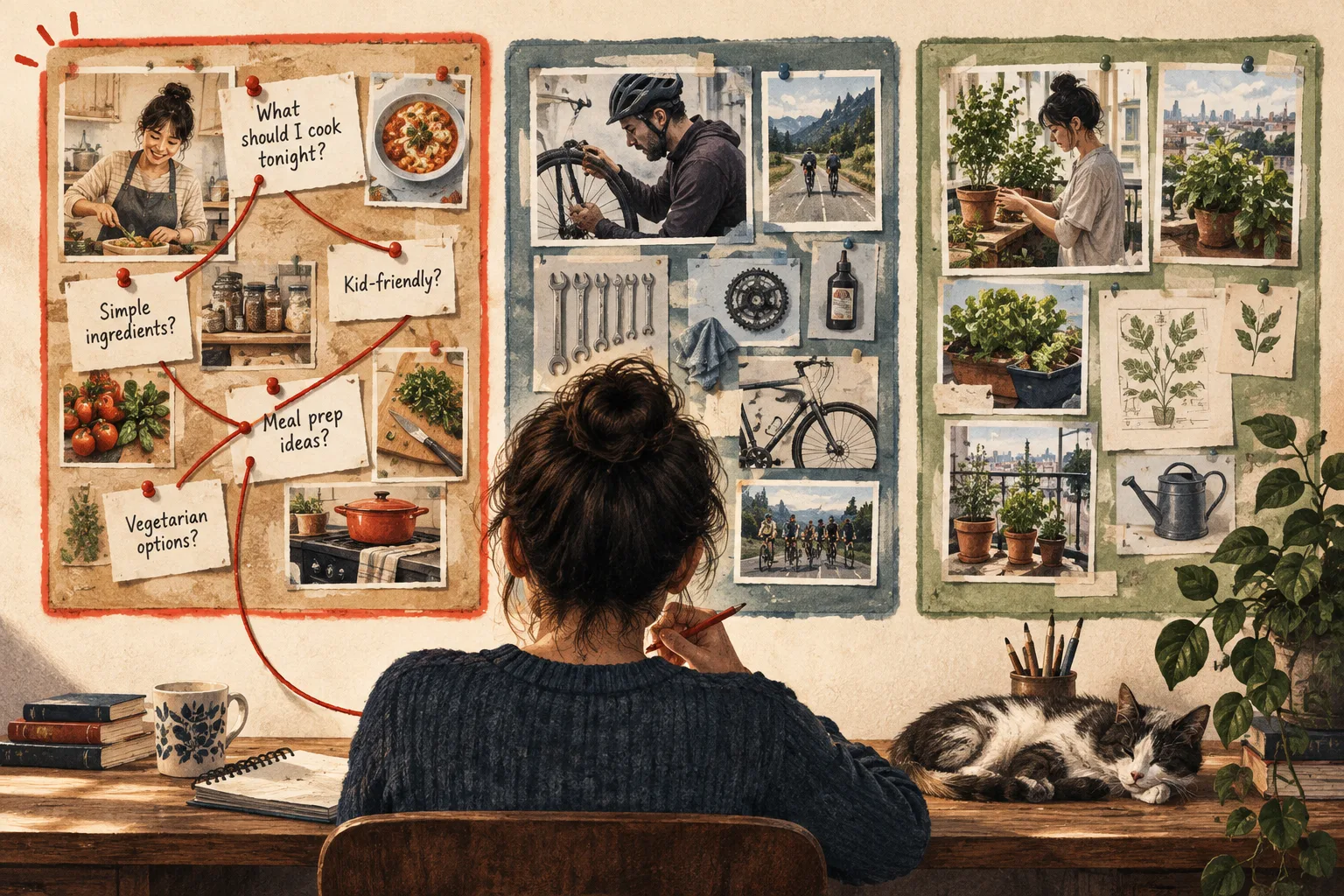
Consider an illustrative cooking channel. Its popular Short shows a spectacular cheese pull. Its long video explains how to plan five affordable dinners. Both involve food, but they ask for different kinds of attention. A viewer seeking a quick spectacle may have no interest in meal planning.
A closer pair would be a Short showing one dinner made from a batch of roasted vegetables, followed by a longer demonstration of the other four dinners and the shopping list. The long video adds a benefit instead of merely asking for more time.
| Question | Weak connection | Stronger connection |
|---|---|---|
| Who is this for? | Anyone who likes food clips | Someone cooking after work |
| What did the Short promise? | A surprising visual | One quick dinner from prepared ingredients |
| Why watch longer? | More footage of the same dish | Learn the preparation that makes the week easier |
| What opens the long video? | Channel introduction | The five meals and the ingredients they share |
These are proposed concepts, not results from a channel experiment.
Give the long video a fair comparison
Choose a small series you can finish within your existing workload. Keep the intended viewer and problem consistent across its short and long versions. Let each Short be useful on its own; do not withhold its answer just to force a click.
For each long upload, record its topic, duration, title, thumbnail, opening, traffic sources and viewing response at the same publication age. Compare it with your previous long videos, not with raw Shorts views. If the available analytics show little evidence of people encountering the long video, you cannot yet diagnose whether those people disliked it.
Write down what would count as a useful result before publishing. For a small cooking channel, that might include relevant meal-planning questions and viewers watching the preparation sequence. The point is to decide whether the longer format is serving its intended audience, not to invent a universal conversion target.
When a separate channel earns its extra work
A separate channel makes more sense when the viewer needs are consistently different: short comedy sketches for entertainment versus long professional tutorials, for example. It can also make sense when the languages, host identities or brand expectations differ enough to make one channel difficult to describe.
Before splitting, draft six plausible long-video ideas for the new audience and estimate the hours each would take. If maintaining two channels means neither gets a complete, well-produced video, separation has solved the naming problem while creating a production problem.
If the same person would reasonably enjoy both formats, improve the connection first. Do not erase useful Shorts merely because one long upload disappointed you. For a broader subject change, use the niche-pivot guide.
What would change your decision?
Keep a short decision note: “We will keep both formats together while testing meal-preparation topics. We will reconsider if the long series develops a clearly different audience and we can sustain a separate schedule.”
That is more useful than deciding that Shorts have permanently damaged the channel. The Reddit thread identifies a real frustration; it does not establish what caused any particular upload's reach.
Common questions
Do I need a second channel just because my Shorts get more views?
No. A difference in views does not establish that the audiences are incompatible. Compare the intended viewer, the reason to watch, and results within each format before taking on a second channel.
Should a Short simply be a clip from the longer video?
It can be, but the clip should make sense by itself and appeal to someone who would value the longer explanation. An entertaining moment can attract a different audience from a practical tutorial.
Published by Vidfora, the product discussed in these guides. Examples are illustrative unless a source is named. Editorial approach · Suggest a correction