Build an evergreen YouTube library that stays useful
Choose durable viewer problems, create complementary answers, and maintain the archive so older videos remain accurate and easy to navigate.

The quick answer
An evergreen library serves recurring viewer problems with useful, connected videos. Choose durable needs, keep each upload's promise distinct, and review time-sensitive details. Evergreen does not mean maintenance-free or guaranteed long-term traffic.
In this guide
Choose a durable problem
A problem can persist even when the tools used to solve it change. Organizing client files, reducing room echo, or understanding a photographic exposure tradeoff may remain relevant longer than a reaction to a specific launch.
Define the stable need separately from the current implementation. This helps you decide whether a future change requires a small correction, a new demonstration, or a completely new video.
Build complementary answers
Create a map of the viewer's journey: understand the problem, choose an approach, perform the task, troubleshoot, and improve. Each video should answer a distinct question within that journey.
Avoid publishing several nearly identical overviews under slightly different titles. A library becomes useful through coverage and clarity, not merely the number of URLs or uploads it contains.
Make the scope visible
A tutorial should identify the relevant tool, version, setup, or conditions when those details affect the answer. That helps viewers judge whether the video still applies later.
For a software workflow, a clear statement of the demonstrated interface can be more useful than a title claiming to be permanently definitive. For a physical test, show the equipment and conditions that shaped the result.
Connect videos by the next task
A beginner guide can lead to a troubleshooting video; the troubleshooting video can lead to a comparison for people whose equipment is the limiting factor. Explain the reason for the next recommendation.
The viewer should not need to watch the entire archive to receive the promised answer. Each upload should stand alone while offering a useful continuation for those who need it.
Maintain a review list
| Trigger | What to inspect |
|---|---|
| Product or interface change | Whether the demonstrated steps still work |
| Broken resource link | Whether the replacement serves the same need |
| Repeated new question | Whether an explanation is missing or unclear |
| Changed guidance | Whether a claim needs correction |
| Packaging mismatch | Whether the title or thumbnail overstates the current value |
Prioritize by impact. A minor cosmetic interface change may not require a new video; an incorrect critical step may require a clear correction or replacement.
Refresh packaging responsibly
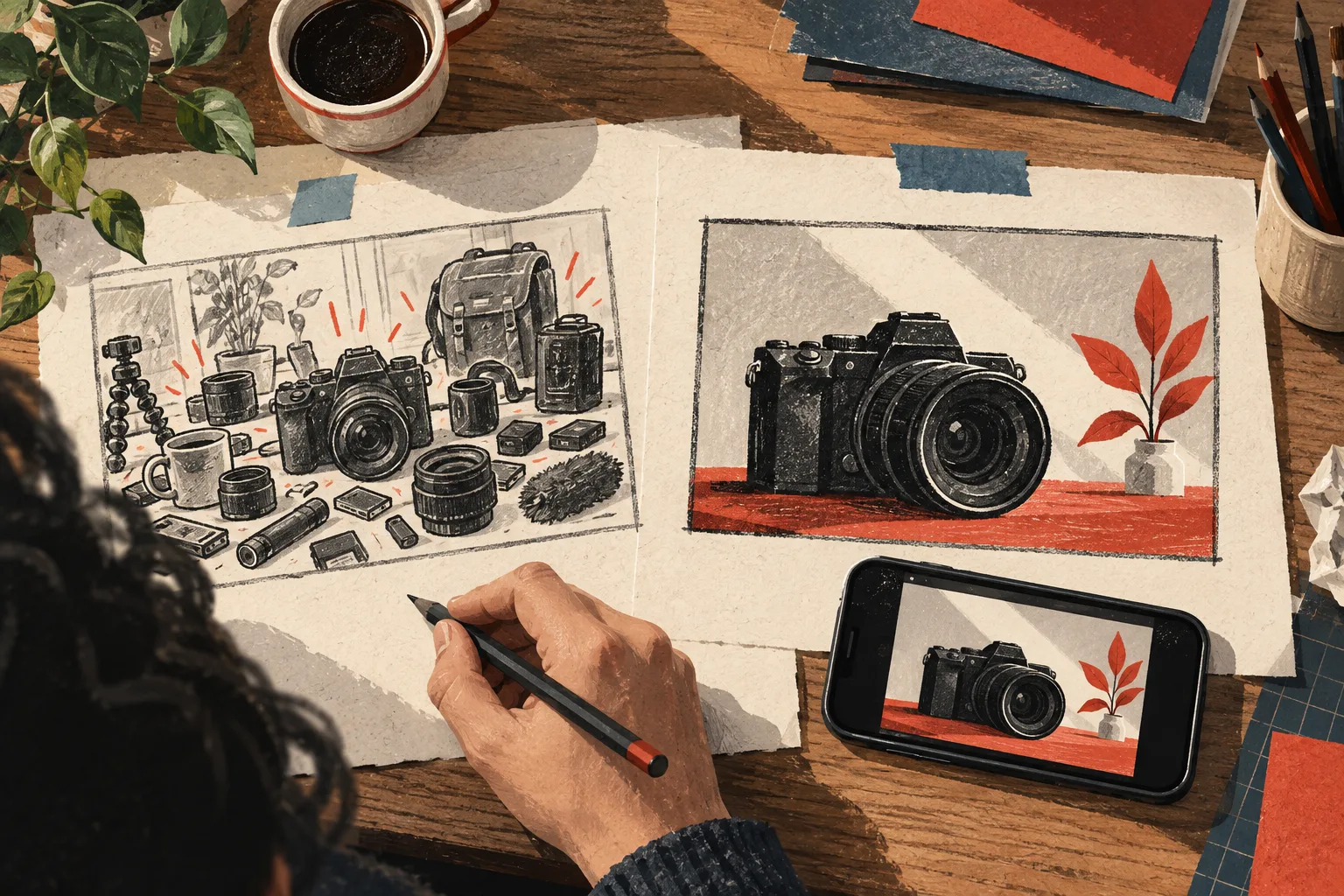
If an older video remains useful but its image is unreadable or its title is vague, a packaging review may help. Preserve the original version and record the reason for the change.
Do not use a modern-looking thumbnail to disguise outdated content. The package should make the existing value easier to recognize, not imply that the video contains a newly verified demonstration when it does not.
Research durable patterns
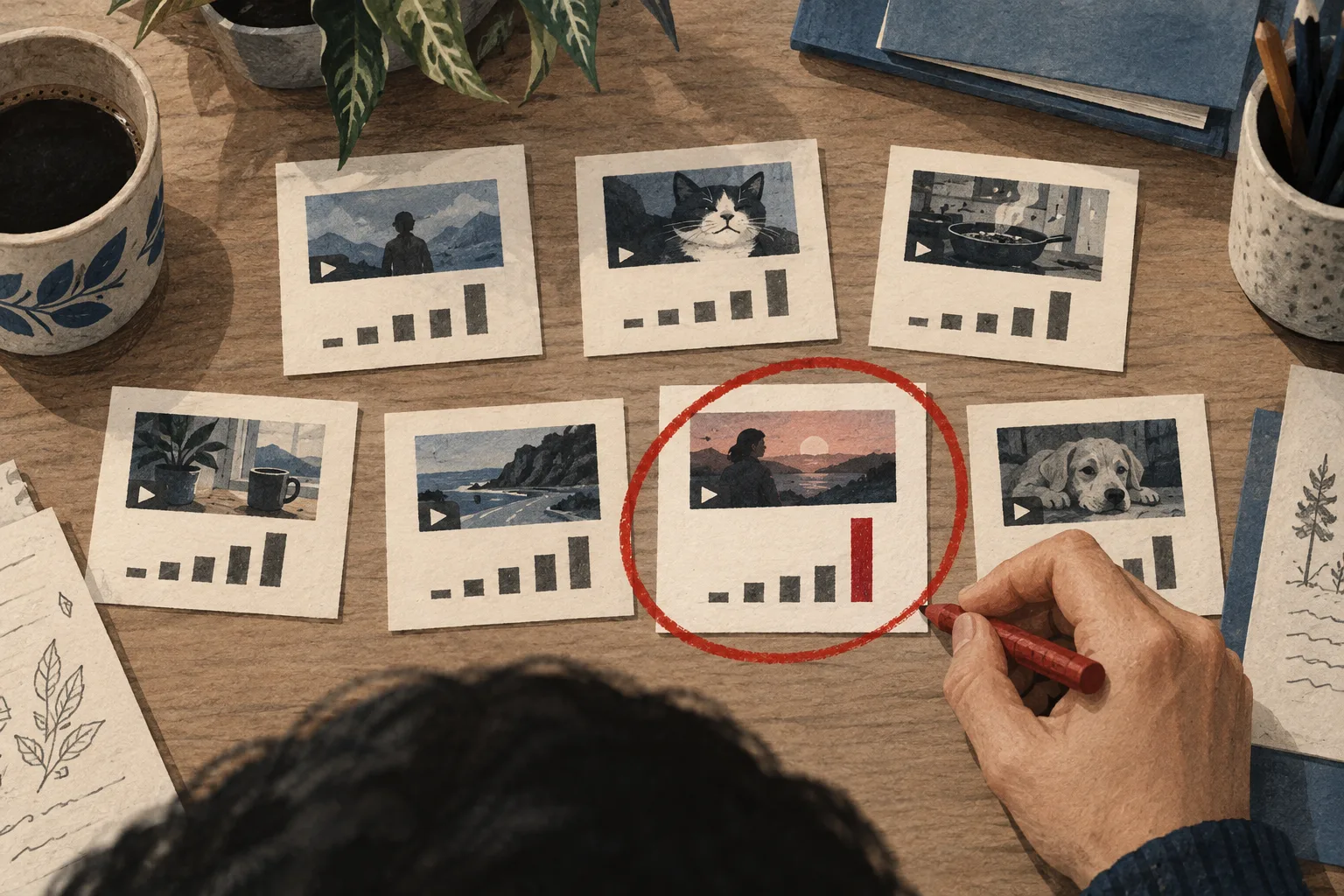
Use Vidfora to inspect relevant outliers across different periods and creators. Look for recurring viewer problems rather than assuming that one temporary spike proves evergreen demand.
Keep boards for foundational topics and separate project boards for new additions. Review your own audience response over appropriate windows, especially for videos intended to remain useful beyond launch week.
A strong library compounds the value of earlier work by making it easier to find and connect. That requires deliberate organization and maintenance, but it can reduce the pressure to invent an entirely new audience promise for every upload.
Common questions
Does evergreen content always get views for years?
No. A durable topic still needs a useful answer, appropriate packaging, and an audience. Competition, changing tools, and viewer needs can affect performance over time.
Should I put the year in every evergreen title?
Use a date when it materially helps viewers understand freshness or applicability. Do not add or update a year merely to imply a substantive revision that did not happen.
Published by Vidfora, the product discussed in these guides. Examples are illustrative unless a source is named. Editorial approach · Suggest a correction