Build a YouTube audience persona from real viewer problems
Replace fictional demographic profiles with a practical viewer brief based on situations, questions, constraints, and desired outcomes.

The quick answer
A useful YouTube audience persona describes a viewer's situation, goal, obstacles, and level of knowledge. Build it from observed questions and your own audience evidence, then use it to choose topics, explanations, and examples. Avoid inventing demographic certainty.
In this guide
Describe the moment before the click
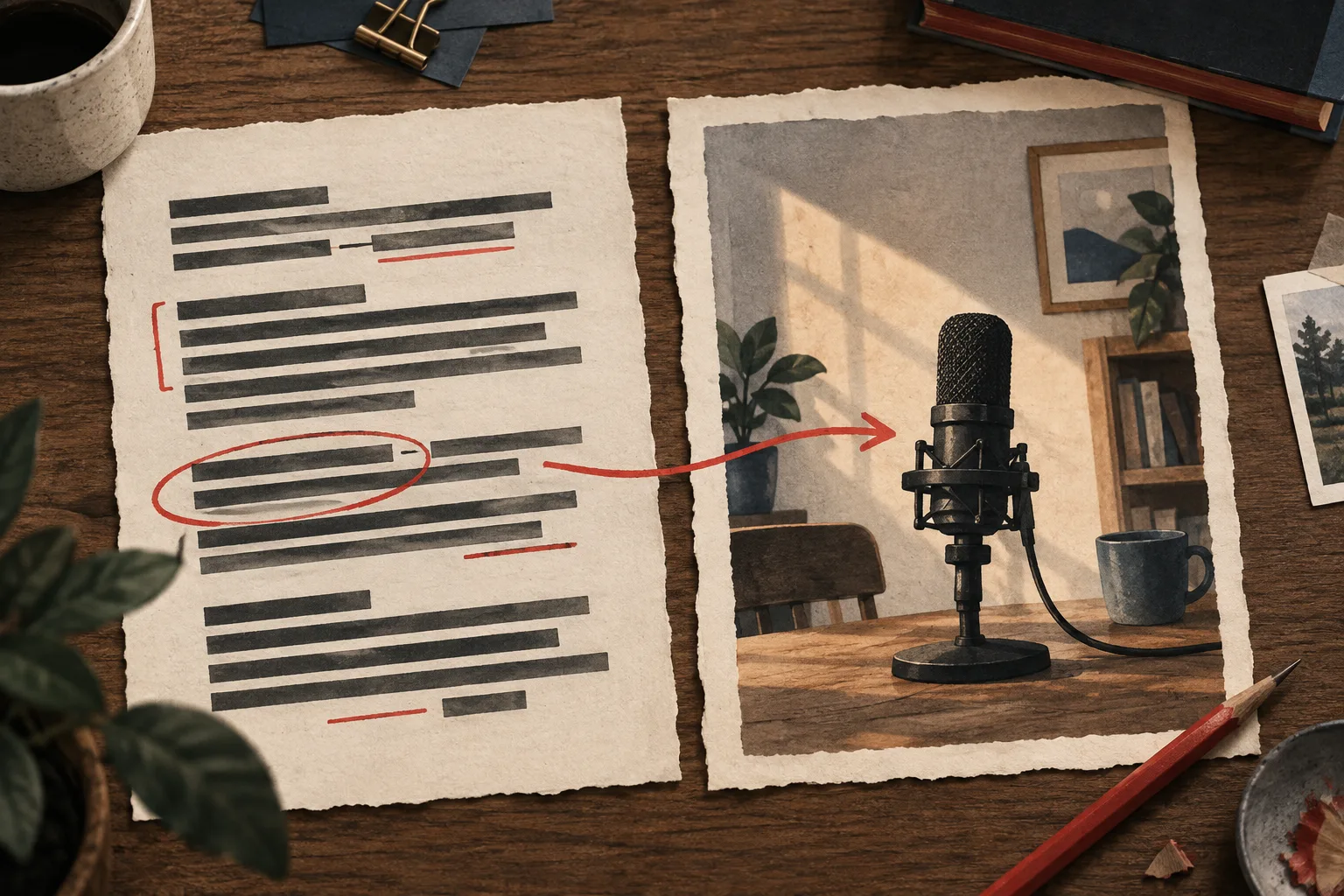
A persona becomes useful when it explains why someone needs this video now. “A 28-year-old professional who likes technology” offers little production guidance. “A freelancer preparing a first remote client presentation with unreliable room audio” tells you what matters.
Write the situation in ordinary language. What happened? What is the viewer trying to achieve? What have they already tried? What constraint makes the general answer insufficient?
Collect evidence without overclaiming
Use questions from your own comments, conversations with relevant viewers, and patterns across public discussions. Keep direct observations separate from interpretations. One person asking about budget does not establish the income of your entire audience.
Your own YouTube audience reports can provide additional context where available. Public competitor videos do not expose the same private audience data. Do not turn a channel's language or aesthetic into a supposedly verified demographic profile.
Build a one-page viewer brief
Use these fields:
- Situation: what the viewer is doing when the problem appears.
- Desired outcome: the useful change they want.
- Knowledge: what you can assume and what you must explain.
- Constraints: time, equipment, access, or other practical limits.
- Objections: what would make them distrust or dismiss the solution.
- Proof: what they need to see before accepting the claim.
- Language: the phrases they use to describe the problem.
Include a source or observation beside each field. Mark uncertain entries as hypotheses. This keeps the persona editable instead of turning it into a fictional character everyone is expected to believe.
Use the persona to edit a video idea
For the freelancer example, a broad “best microphones” review may be less useful than a demonstration of room placement and basic audio settings. The viewer needs a reliable presentation soon, not a new hobby in audio equipment.
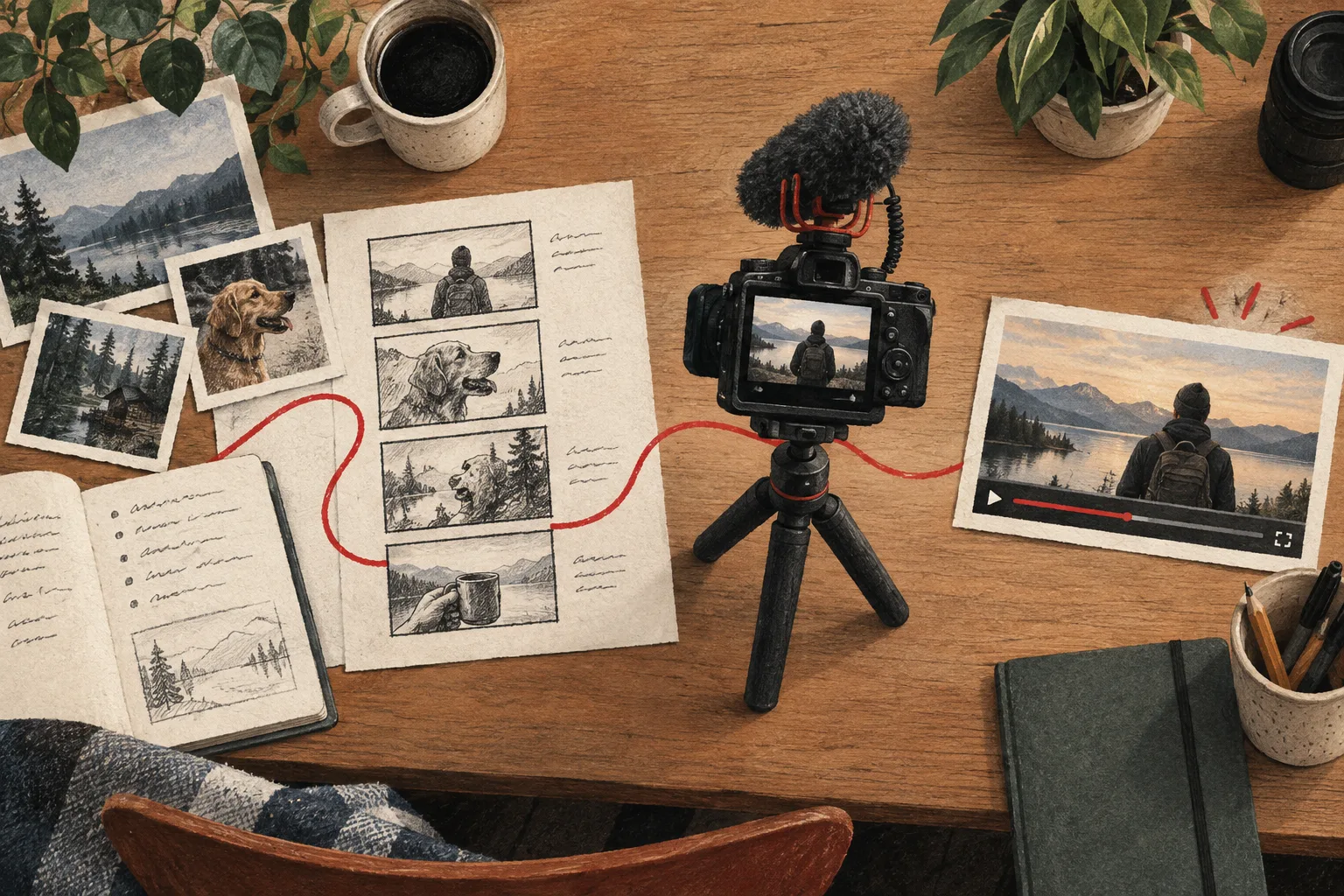
That changes the opening. Show the problem and a practical improvement before discussing technical terms. Explain the settings the viewer must touch and omit details that do not affect the promised outcome.
It also changes the thumbnail. A clear before-and-after setup may communicate the value better than a lineup of premium products the viewer does not intend to buy.
Allow more than one viewer state
The same person can be a beginner in one task and experienced in another. Avoid assigning one permanent sophistication level to the whole audience. A useful channel may serve several stages of a related journey.
Tag ideas by viewer state: starting, troubleshooting, comparing, or improving. If one video tries to serve all four, consider whether its promise has become too broad.
Update the brief after real work
Review whether the questions you receive match your assumptions. If viewers repeatedly misunderstand a term, change the explanation. If they care about a different constraint, research it rather than dismissing them as the wrong audience.
Vidfora's research tools help gather relevant examples; the persona helps decide which examples belong. Together they make the creative brief more specific and reduce the temptation to copy a successful video aimed at someone entirely different.
Common questions
Do I need age and income in a YouTube persona?
Only when you have appropriate evidence and the information changes a real content decision. Situation, knowledge, constraints, and desired outcomes are often more useful than invented demographic details.
Can I have multiple audience personas?
Yes, but make the intended viewer clear for each video. Several related viewer states can fit one channel; unrelated audiences may make the channel promise difficult to understand.
Published by Vidfora, the product discussed in these guides. Examples are illustrative unless a source is named. Editorial approach · Suggest a correction